- +17194034034
- contact@hafofical.org
- 2020 N Academy Blvd Ste 261 # 4106 Colorado Springs CO 80909 US
Right now, 703 million individuals around the world lack access to safe, clean water.
Clean water does more than save lives - in developing nations, it unlocks health, education, and opportunity for entire communities.
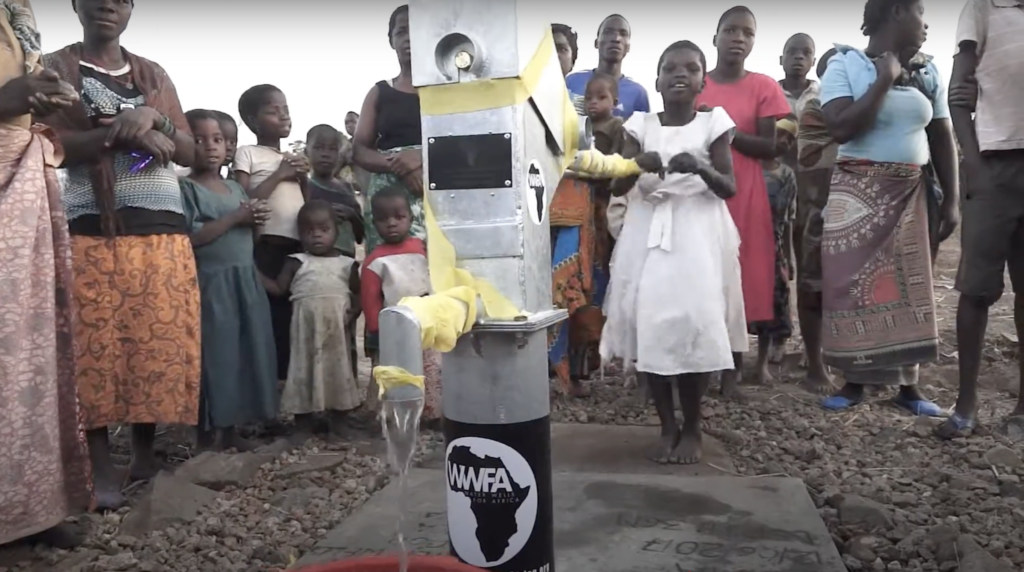
Imagine ten times the population of the UK – that’s how many people, 1 in 10 globally, still lack access to clean water today.
For rural families, this crisis means children miss school and parents lose income just to collect water – often from contaminated sources that spread disease.
But there is hope. Proven solutions exist. One reliable water source can break this cycle – unlocking health, education, and economic opportunity, especially for women and children.
What actions are needed to end the global water crisis?
We work hand in hand with local experts and community leaders to design the best water solutions for each region.
Whether it’s drilling wells, installing piped water systems, setting up BioSand filters, or capturing rainwater, every project is tailored to meet the community’s specific needs and environment.
But access to water is just the beginning. We also provide sanitation and hygiene education to help prevent disease and promote health.
To ensure long-term success, we support the creation of local Water Committees—empowering communities to maintain their systems and keep clean water flowing for generations.
Health
Contaminated water takes more lives each year than all forms of violence and war combined. Clean water is the foundation of health, preventing disease and saving lives.
Education
Without access to clean water, girls are often forced to skip school-spending their days collecting water or caring for sick family members. A reliable water source gives them back the chance to learn and grow.
Time
Globally, women and girls lose 200 million hours every day just fetching water-time that could be spent in school, at work, or building a better future.
Empowering Women Through Water Access
In 80% of households without direct water access, women and girls bear the responsibility of water collection. Access to clean water is not just about health—it’s about gender equality and empowering women.
Join Forces for Water - Every Act of Giving Makes a Difference
When girls no longer spend hours collecting water, they gain time to learn – clean water opens the door to education.